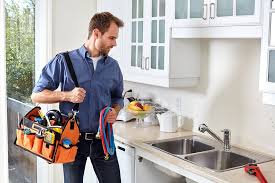
A repairman is someone who can fix broken items or damaged appliances. Some repairmen work at large companies, while others choose to practice independently.
Whether you have a small list of repairs at home or a huge to-do list for your office space, hiring a professional handyman will save you energy and money in the long run. By choosing a reliable and experienced service provider, you’ll be able to focus on your business and leave the rest of the work for the professionals.
When you hire a handyman, the job gets done right the first time. This saves you from having to redo the work later on, which can be costly. It also protects your home from damage that could happen if the work isn’t completed correctly. Handymen are experienced in a wide variety of tasks, so they can do a lot more than the average homeowner.
A lot of people tend to put off doing home projects because they are intimidated or they’re not sure how to do them correctly. Having a trusted handyman on call is one of the best ways to save yourself from stressing about these kinds of issues. Handymen are experienced in performing a wide variety of tasks, so they can do the majority of the work that you need to be completed.
The right tools can improve your efficiency and allow you to tackle more complicated tasks. However, it can be difficult to determine which tools are essential for the job at hand. To help, we’ve surveyed experienced handymen to uncover their top picks for toolkit essentials and highly recommended add-ons.
Increased electric and energy bills are often a sign that your appliances are working overtime to compensate for a malfunctioning part. For instance, a refrigerator that’s not sealing properly will have to work harder to keep food cold. The same goes for dryers and heaters that aren’t functioning properly. If you’ve noticed a sudden or steady rise in your electricity or gas bills, it’s time to call in
Another way a handyman can save you money is by performing regular maintenance that you may not be able or willing to do. For example, if your door hinges start to show signs of wear and tear, a handyman can fix them before they become a major problem that forces you to replace the entire door. Handymen can also repair or refinish flooring that has become scratched or stained from frequent traffic, preventing you from having to spend the money on a full replacement.
Handymen can also help with smaller jobs like hanging an HDTV or painting a room. General contractors avoid these small jobs unless they have to.
The Benefits of Hiring a Handyman
They can often handle jobs that require ladders or other equipment that most people don’t have access to. For example, if you have a gutter problem, the handyman can get up in the eaves to inspect and repair it. They can also paint the inside or outside of your house, repair broken windows, re-caulk the bathroom, install new lights, replace electrical outlets, or fix a leaky faucet. They can even sand and stain your deck or fence to refresh the wood and improve its appearance.
Another way a handyman can help you save money is by working with your local suppliers to negotiate discounts on materials. This can be particularly helpful if you need a large quantity of a particular item, such as construction or plumbing materials. It can also be more cost-effective than paying for a contractor to bring their own materials.
A handyman can take care of a variety of tasks that you haven’t had time to tackle, or even know how to do. Whether it’s a clogged sink, or a deck that needs to be water sealed, the handyman can get those jobs done quickly and efficiently. They can also perform other maintenance tasks such as trimming branches, painting walls, or repairing minor damage.
The best way to prevent big appliance problems is through regular maintenance. This includes cleaning, sanitizing, and inspecting the parts of your appliance on a regular basis. This helps to identify any potential malfunctions or damages early on, and can save you money in the long run. For example, you should regularly clean the condenser coils of your refrigerator and clean lint filters and spray arms on washing machines to avoid clogs and poor performance. You should also clean the detergent dispensers on your washer to ensure they don’t clog and release unpleasant odors.
Saves You Time
The handyman can also save you time by completing the tasks for you when it’s convenient. He can come in after business hours or on weekends when the home improvement stores are less busy, which means you won’t have to wait around for a service. If you have a large project, the handyman can often come out and do it for you in stages, so you don’t have to deal with the hassle of taking time off work or finding someone else to do it.
Moisture is another common reason why you need to call in a repairman. This is because it promotes the growth of mold and mildew, which can damage and rust appliances. Moisture can also pool around the bottom of appliances such as refrigerators, washing machines, and A/C units. This moisture can cause leaks, rusting, and other major problems.
Another reason your electric bill might be going up is that your appliances are working overtime to keep up with your energy needs. A refrigerator that isn’t sealing will have to suck up more energy to keep food cold, and a heater or air conditioner that is malfunctioning will also require a larger amount of power. If you have a watt meter, check the specifics of your appliances to determine what’s eating up the most electricity in your home. A skilled repairman will always bring the right tools with him, but if you need to supply him with something, make sure he knows ahead of time so that he can include the cost in his price estimate.
Handymen are often called on to perform a wide variety of tasks. They may be mending a broken pipe one minute and installing a cabinet the next. As such, they need to be able to work on both large and small projects with ease. To do this, they need a set of high-quality tools that can accommodate all of these different jobs.
A basic toolkit includes hand tools, drills, screws, nails, duct tape, and more. You can also purchase or rent additional specialty handyman tools to complete a job with greater ease. For example, a voltage tester pen can help you identify live AC voltage in wires, while a miter saw can make precise cuts for various projects. Having these tools on hand can save you time and money as well as prevent damage to your tools or equipment.
Moisture damage occurs when a material or product becomes susceptible to mold, mildew, or other forms of deterioration caused by excessive moisture. The damage may result from high humidity levels, water intrusion, condensation, or prolonged exposure to damp conditions. Typically, moisture damage is visible as discoloration and odors, and can cause structural damage or product failure. It can also compromise the quality of food products, pharmaceuticals, and textiles. Moisture damage can even compromise human health and safety by causing skin irritation and inflammatory reactions.
When choosing a repairman, ask about their experience and education. They should also be able to give you an accurate estimate of the cost of the job.
A handyman (abbr. HNDMN), also known as a fixer, handyperson or handyworker, maintenance worker, repair worker, or repair technician, is a person who is skilled at a wide range of repairs, typically for keeping buildings, shops or equipment around the home in good condition.
A handyman is a skilled tradesperson who does small projects at homes or businesses. Their skill set can usually cover a wider range of tasks and jobs. Handyman jobs might include home maintenance projects like fixing a leaky faucet, gutter maintenance or basic drywall repairs.
Handyman services require a range of technical skills. Proficiency in plumbing, drywall repair, and HVAC is crucial. Knowledge of door installation, sheetrock, and masonry is also important. Additionally, experience with lawn care, deck building, and window installation can be valuable.
It's a no-brainer that your handyman should have the right skills. They should be able to troubleshoot the issues you're having, understand repairs, and know their way around everyday maintenance. They should have experience and knowledge that allows you to place your confidence in them.